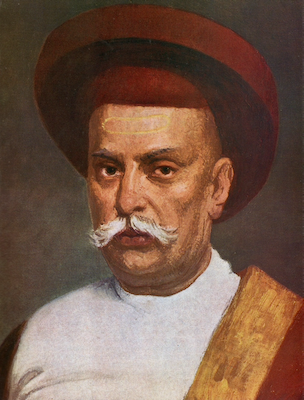
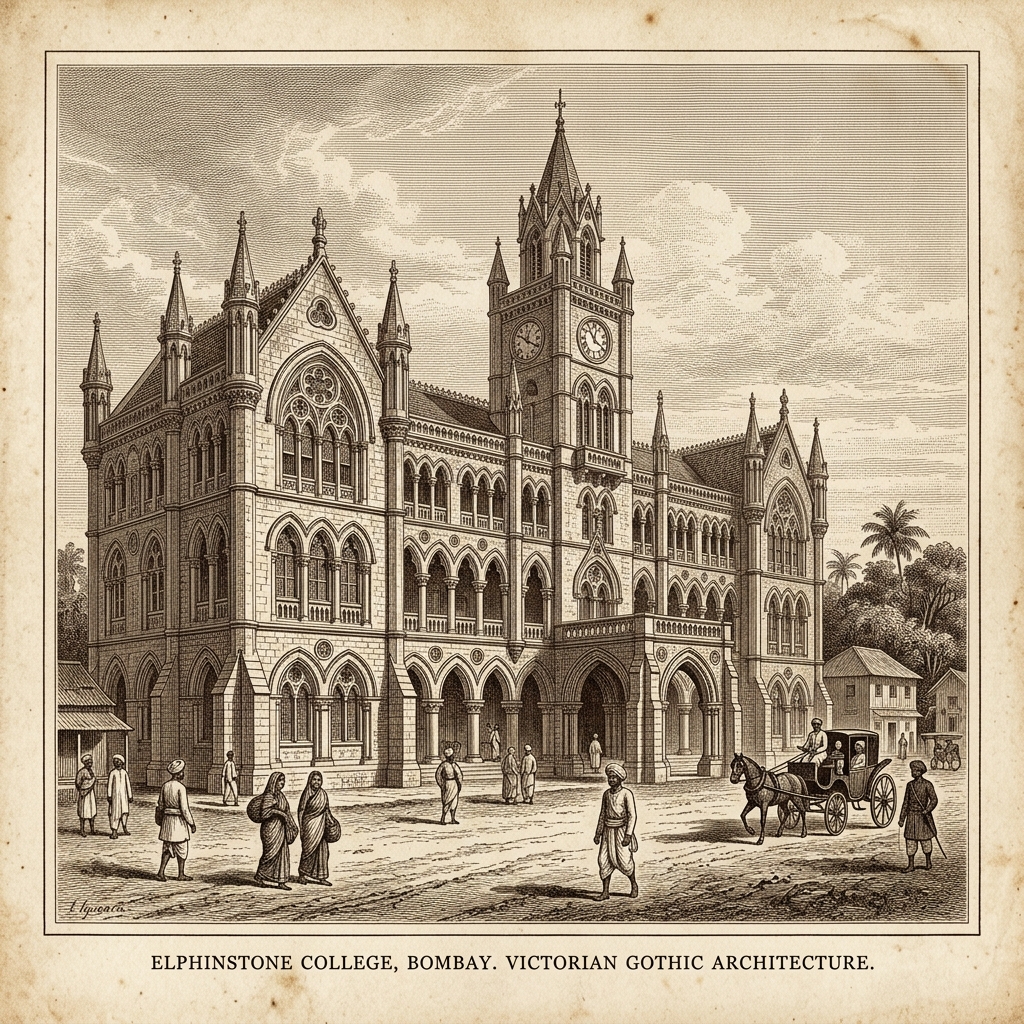
Jagannath 'Nana' Shankarsheth was the premier architect of modern education in Western India, dedicating his immense wealth and social capital to democratizing learning. In 1827, he chaired the Elphinstone Testimonial Fund, contributing Rs 25,000 of his own money to raise Rs 3.5 lakhs to establish the Elphinstone Educational Institution, which became the intellectual cradle for leaders like Dadabhai Naoroji and Bal Gangadhar Tilak.
When the University of Mumbai was incorporated in 1857 amidst the Indian Rebellion, Nana was nominated as a Founding Fellow and served on its inaugural Senate. He also co-founded the Sir J.J. School of Art in 1857, drafting its curriculum to bridge traditional Indian craftsmanship with modern techniques.
As a 15-year member of the Board of Education, Nana championed vernacular-medium instruction and conducted Bombay's first systematic educational survey in 1849, leading to subsidized primary schools for the poor. His social reform was radically inclusive: he defied orthodox taboos in the late 1830s by hosting a girls' school in his own Girgaum mansion, sending his own female relatives to study there, and later funding the Students' Literary and Scientific Society's schools. He also established a free school for the marginalized Koli fishermen's children at Girgaum Chowpatty. Following his death, his legacy was immortalized through the prestigious Jagannath Shankarshet Sanskrit Scholarship, established in 1866 with a Rs 30,000 endowment to reward linguistic excellence.