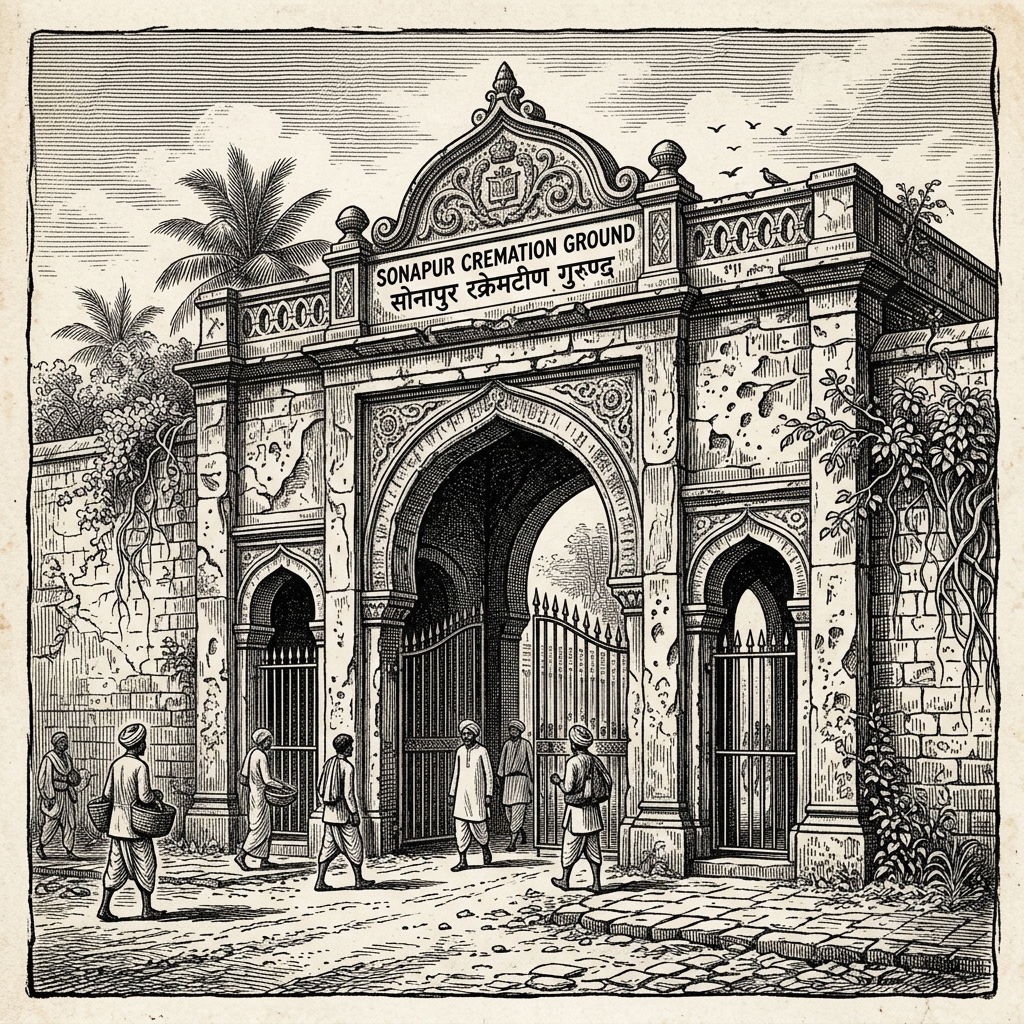
In the mid-19th century, Mumbai's rapid urbanization led European officials to view traditional Hindu cremation grounds as health hazards. The Sonapur crematorium, located in the Girgaum/Marine Lines area, became a primary target for closure.
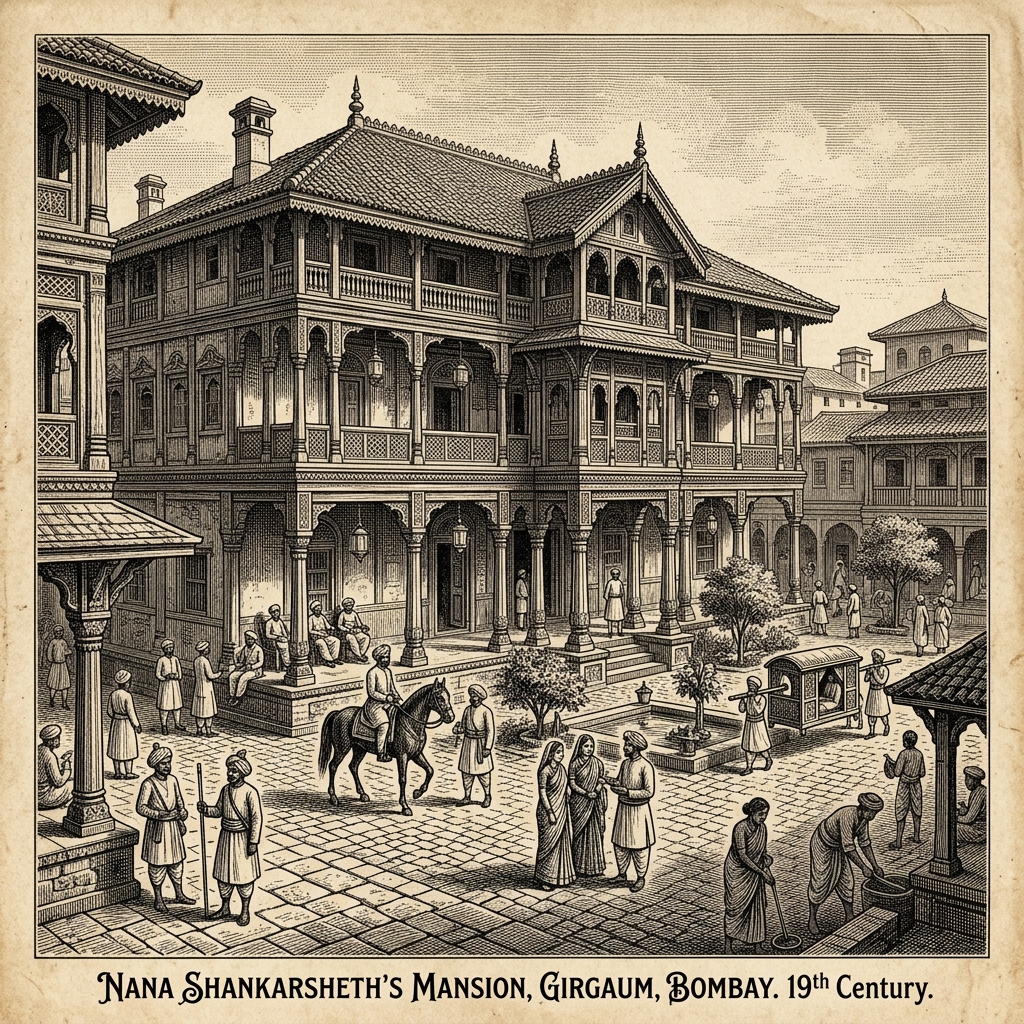
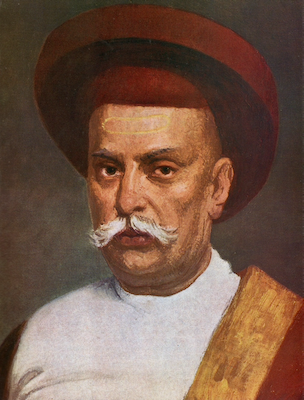
In 1847, to shield the cremation activities from the view of passing Europeans and mitigate complaints, Nana Shankarsheth personally spearheaded a fundraising campaign, collecting Rs 25,000 to build a massive protective stone wall around the site. Despite this, European agitation continued. In 1855, Senior Police Magistrate A.K.
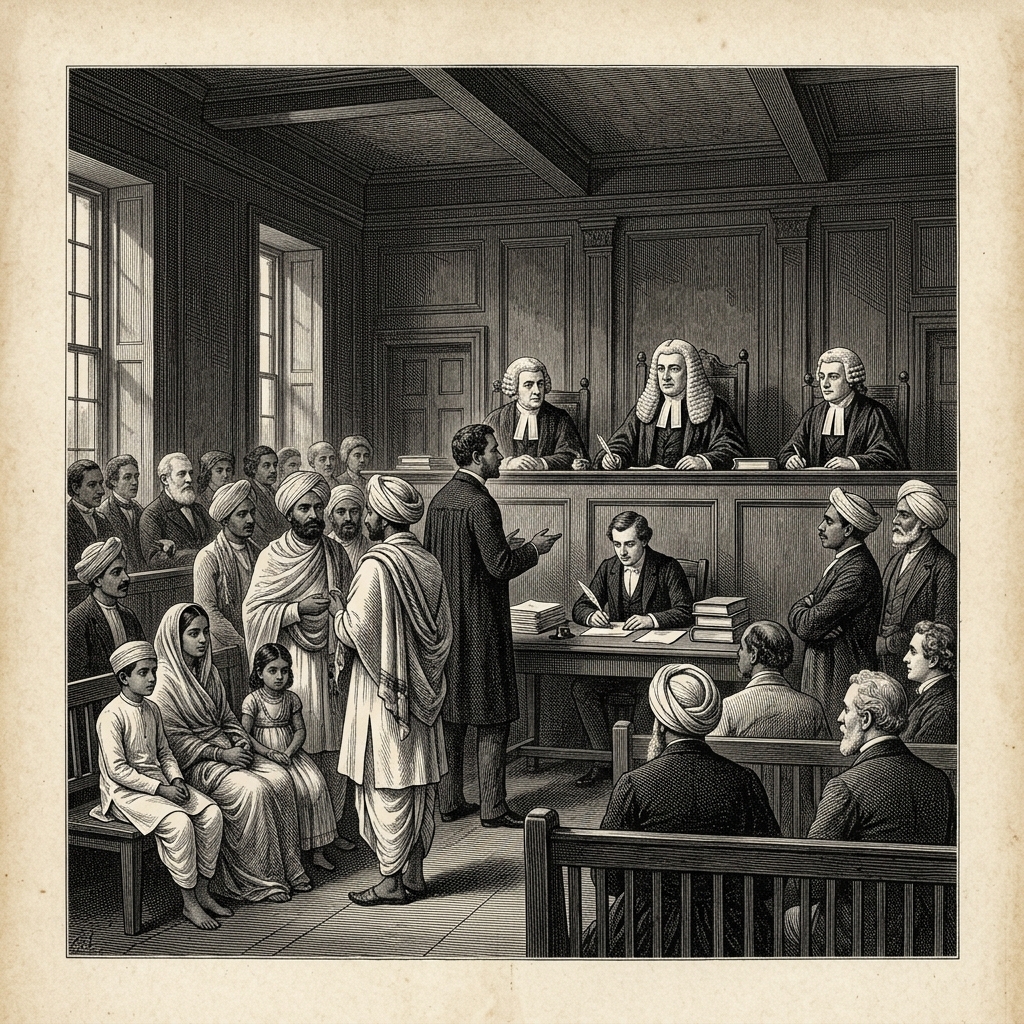
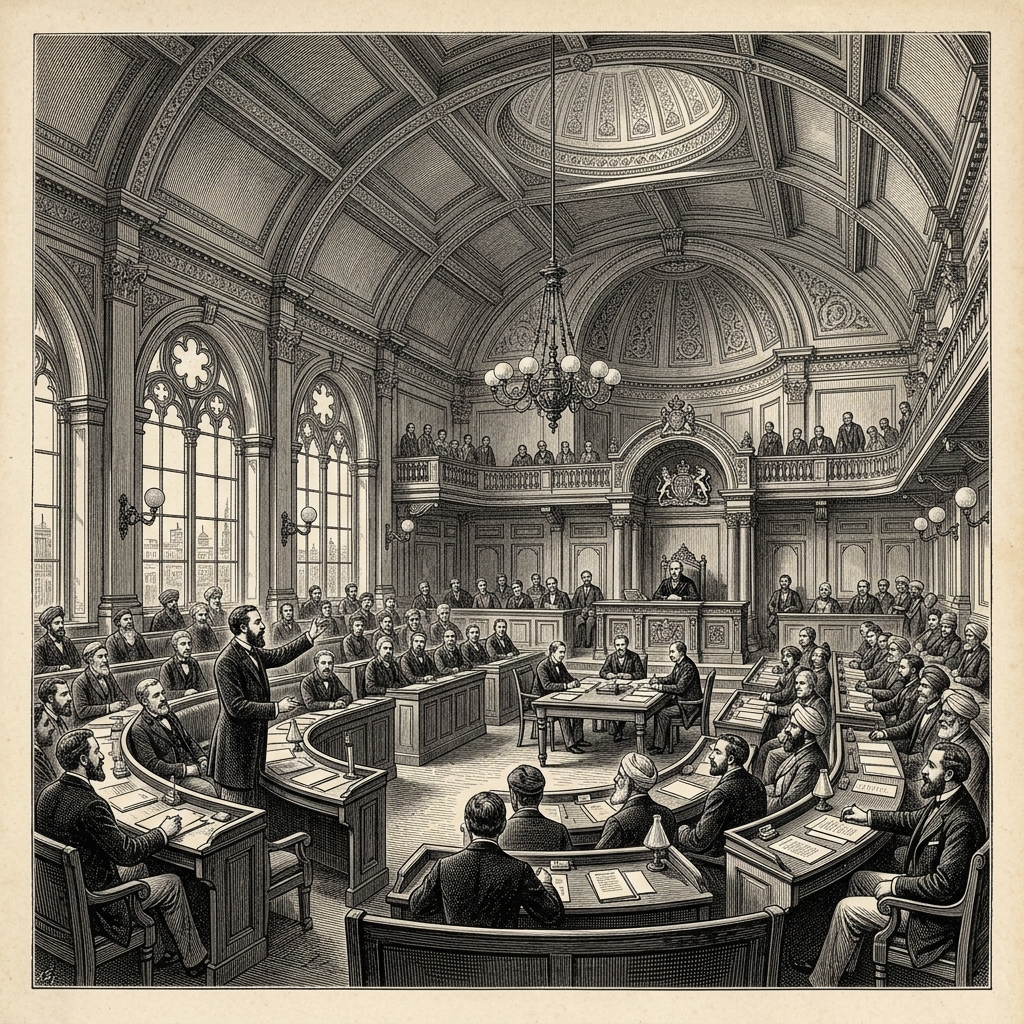
Carfield and Legislative Council member Tristram drafted a bill to permanently close Sonapur and force the transport of corpses to distant Sewri or Worli by train. Nana recognized this as a severe infringement on Hindu religious rites and launched a fierce opposition in the Legislative Council. He argued that the crematorium had existed long before the city expanded. When legislative debates stalled, Nana took to the streets. He mobilized the local Koli community, leading a massive, peaceful protest march of 1,500 to 2,000 Kolis from Girgaum directly to Governor Sir Bartle Frere’s bungalow in Parel. Seeing the sheer scale of the dust-raising crowd and realizing the depth of public discontent, Governor Frere immediately summoned Nana. Nana articulated the profound religious trauma the bill would cause, successfully convincing the Governor to back down. Tristram was forced to withdraw the bill, and the Sonapur cremation ground was saved.