The Sati Petition (1823) & The Famine March (1856)
HISTORIC SIGNATURE COLLECTION (1823/1856)
Nana’s activism spanned the entirety of his adult life, beginning when he was just 20 years old. In 1823, the brutal practice of Sati (widow immolation) was a burning issue. While Raja Ram Mohan Roy led the crusade in Bengal, Nana Shankarsheth became the vanguard of the movement in Western India. When a petition was drafted to the British Parliament demanding the legal abolition of Sati, Nana Shankarsheth’s signature proudly sat alongside Raja Ram Mohan Roy’s. When the Sati Abolition Act was finally passed in 1829, Bengal erupted in orthodox protests, but Mumbai remained entirely peaceful—a direct result of Nana touring the province and convincing the masses of the law's moral necessity.
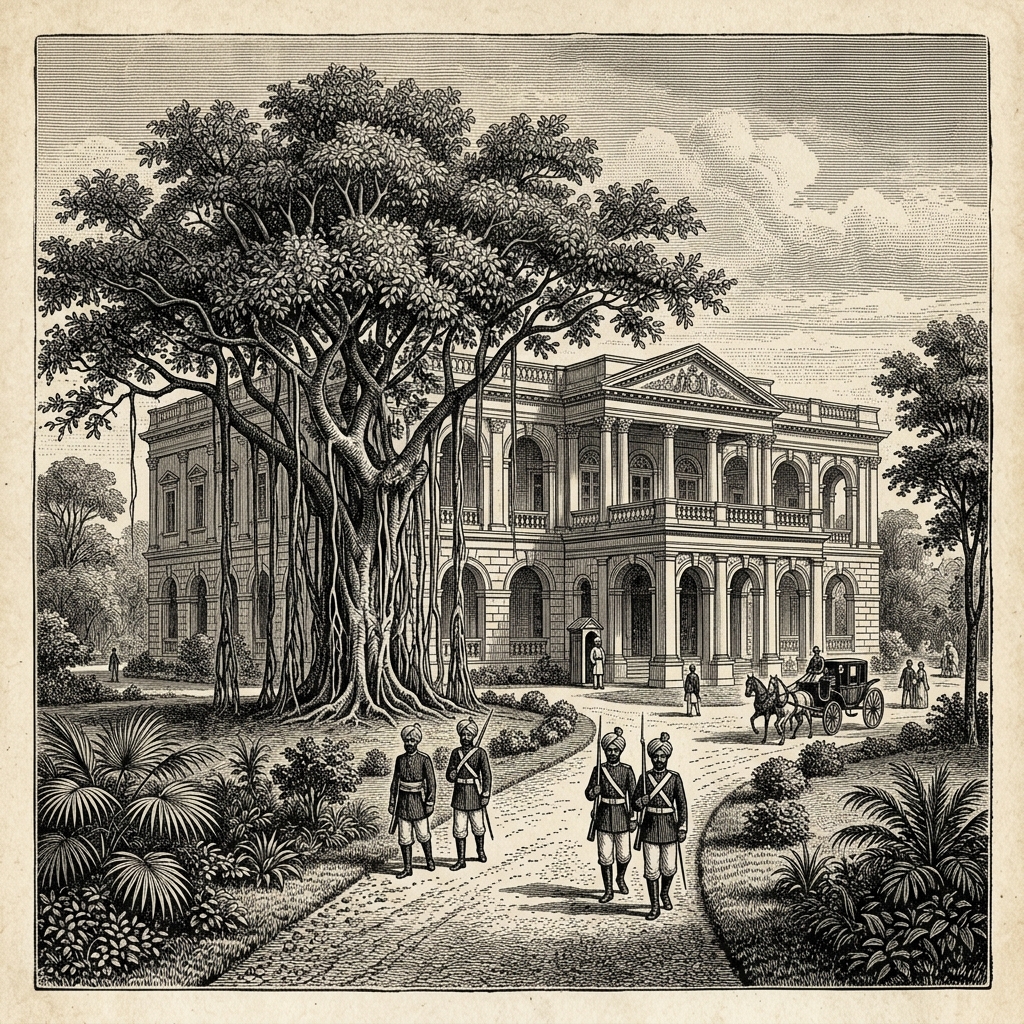
Decades later, Nana’s role as the ultimate protector of the masses was tested again during the devastating famine of 1856. As starvation gripped the region and the colonial government's relief efforts proved woefully inadequate, Nana took to the streets. He organized and led a desperate march of 5,000 starving citizens directly to the Government House in Parel. By bringing the undeniable reality of the famine to the Governor's doorstep, Nana forced the British administration to acknowledge the crisis and release emergency relief funds, saving countless lives.